
As Ukrainian drones hammer Crimea and Russian infrastructure, the loudest question in global media is whether Vladimir Putin is finally being pushed to end his war – but the facts tell a very different story.
Story Snapshot
- Ukraine’s drone war is choking fuel and supply lines in Crimea, hitting Russian oil, power, and logistics.
- Crimea has halted most civilian gasoline sales and imposed rationing as fuel depots burn and ferries sink.[2]
- Analysts say drones can change the battlefield but rarely force leaders like Putin to surrender or negotiate.[17]
- Putin frames the strikes as a bid to “divide Russians,” signaling defiance, not readiness to end the war.[8]
Ukraine’s Drone Blitz: Crimea Under Pressure, But Not Yet a Surrender Trigger
Ukrainian forces are now using drones not just as battlefield tools, but as a full campaign to squeeze Russian-occupied Crimea. Strikes have hit fuel depots, oil storage, and power infrastructure across the peninsula, forcing gas stations to shut down for civilians while fuel is reserved for state and military use.[3] Russia’s own reports admit at least four people were killed and dozens injured in recent attacks on the Kerch area, where an oil depot and logistics hubs were among the targets.[2] These blows are real, costly, and embarrassing for Moscow.
On top of that, Ukraine has targeted key routes that connect Crimea to Russia, including roads, depots, and ferry links that help replace the damaged Kerch Bridge.[2] Long lines for gasoline, rationing systems, and QR code controls on fuel have all been reported as authorities scramble to protect limited supplies.[8] For everyday people living in Crimea, this means fewer car trips, power cuts, and growing anger over shortages. For the Russian military, it means harder and slower resupply to the front lines in southern Ukraine, where fuel and ammunition are the lifeblood of combat operations.
What Drones Can Do – And What They Almost Never Do
Military experts say Ukraine’s approach is clear: use drones to grind down Russia’s war machine by hitting oil refineries, fuel depots, air defenses, and logistics nodes deep inside Russian-held territory.[6] This is not random. It is a system-wide campaign to make it more expensive and less effective for Moscow to keep fighting. Similar patterns have appeared in other modern wars, from the Horn of Africa to the Middle East, where thousands of drone strikes changed how battles look on the ground but did not, by themselves, end a single conflict.[17] Drones increase pressure; they do not magically create peace.
Studies of drone warfare show that leaders often see drones as a “cheap” tool that lowers their own risk and can even encourage more fighting, not less.[19] When attacks are done by unmanned systems, governments feel less domestic backlash for casualties and may be more willing to escalate. Ukraine’s current campaign fits this pattern: high-impact strikes with relatively low cost and risk to its own troops. That makes tactical sense for Kyiv, especially when facing a larger army. But history warns us not to assume that economic pain and infrastructure damage automatically translate into a quick political climb-down by a determined ruler.
Is Putin Ready to End the War – Or Dig In Deeper?
Western media outlets and some commentators now push the narrative that isolating Crimea will break Putin’s will, topple his regime, or force him to the table. The evidence does not yet back that up. Reports covering the strikes highlight serious Russian problems – fuel shortages, disrupted logistics, and growing costs – but stop short of showing concrete signs that the Kremlin is preparing to negotiate an end to the war.[2] Analysts admit there is no direct proof of internal Russian decisions or diplomatic moves that match the “Putin is about to fold” story.[6] That gap matters for anyone trying to read the endgame.
The Kerch Bridge is turning into a very expensive parking lot again. Satellite shots from Planet Labs show traffic backed up for over ten kilometers from the checkpoint all the way to Ivanivka. Fifteen hundred cars crawling, then stopped cold every time air alerts sound, air… pic.twitter.com/S8ZD4ABo3a
— medoyid_ua (@LetsArmUKR) June 25, 2026
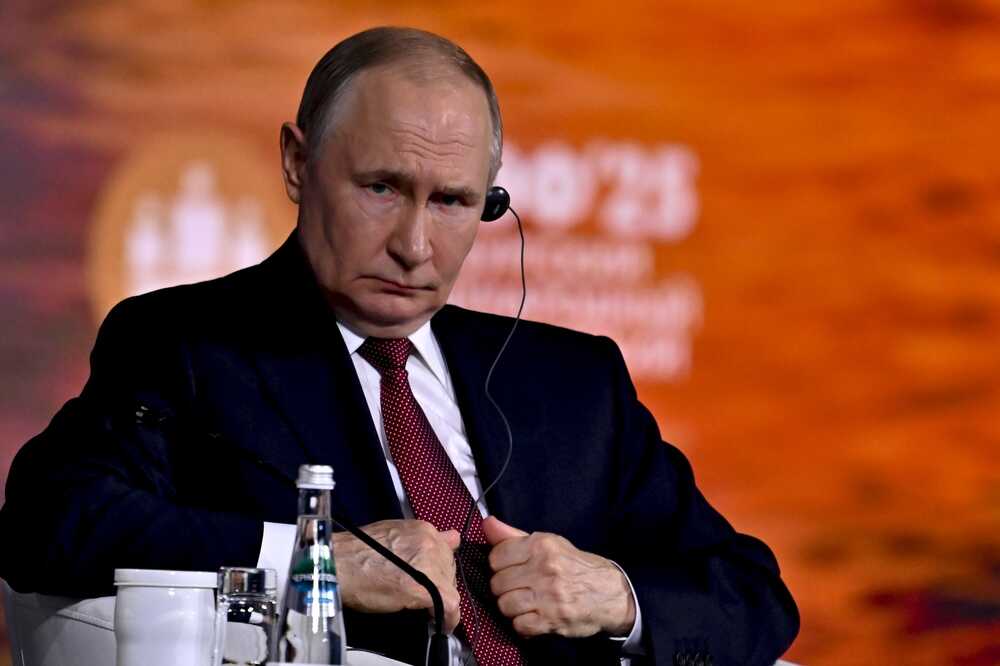
Putin’s public response points in the opposite direction. Speaking to Russian soldiers, he claimed that Ukraine’s drone campaign aims to “create a split in Russian society, sow confusion and inflict economic damage.”[8] That framing paints the attacks as psychological warfare and terrorism, not as a legitimate military effort that could push him to compromise. Kremlin spokespeople talk about “systemic” responses to Ukrainian strikes, suggesting plans for escalation rather than any hint of retreat.[11] For a strongman leader, admitting drone pressure is working would risk his grip at home, so he doubles down instead.
What This Means for Americans Who Are Tired of Endless Wars
For many in the United States, especially conservatives who watched decades of foreign interventions drain our budget and our military, this war raises hard questions. Ukraine is now producing most of its battlefield weapons at home and still receiving huge outside financial support, including over one hundred billion dollars in European Union loans to keep its government and war effort going.[2] At the same time, Russia’s economy and military are bleeding, yet not collapsing. That combination points toward a long, grinding conflict rather than a clean, near-term peace.
Drone wars like this one reshape tactics but rarely change the basic political math overnight.[20] They can weaken a country’s economy, tighten supplies, and anger citizens, but autocratic leaders often push the cost onto their own people while clinging to power. In Russia’s case, Crimea remains central to Putin’s story of national pride, making it even less likely he will give it up under fire. For American taxpayers and voters, that means we should be wary of any simple claim that “one more round of strikes” will end this war. Real peace will likely require tough diplomacy, clear limits on endless funding, and a focus on America’s own security and prosperity first.
Sources:
[2] Web – Ukraine hits Russia-controlled Crimea in deadly drone attack – dw.com
[3] Web – Ukraine launches drone offensive in Crimea and inside Russia – CBC
[6] Web – Ukraine strikes hit oil facilities in Crimea, Russia’s Krasnodar
[8] YouTube – Ukraine’s drone strikes are methodically cutting Crimea off from …
[11] Web – Active Conflicts & News Megathread September 15, 2025 – Reddit
[17] Web – Putin’s Crimea Problem – by Lawrence Freedman – Comment is Freed
[19] Web – A Strategic Learning Deficit: Western Military Institutions Ignored …
[20] Web – How drones are altering contemporary warfare | 2025 | News