
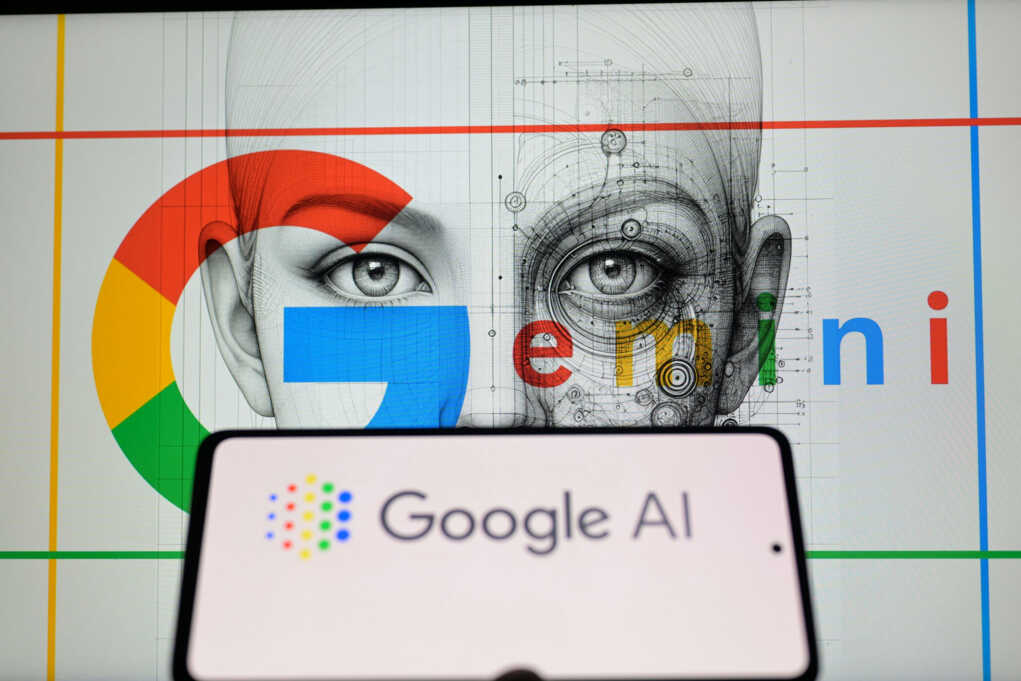
The CEO of Google’s artificial intelligence division is calling for a powerful global watchdog — led by the United States — to screen advanced AI systems before they ever reach the public.
Story Snapshot
- Google DeepMind CEO Demis Hassabis wants a US-led global body to review advanced AI models for safety before public release.
- Hassabis modeled his proposal on FINRA, the private Wall Street watchdog that polices the financial industry.
- He warns AI poses risks like bioterrorism and cyber warfare if bad actors get hold of powerful systems.
- The Trump administration has firmly rejected UN-based global AI governance, preferring US-controlled oversight instead.
Google’s AI Boss Wants a Safety Gatekeeper for Frontier AI
Demis Hassabis, CEO of Google DeepMind, published a proposal calling for a US-led international body to vet the most powerful AI systems before companies release them to the public. He described this as a “precious window” for humanity to get AI safety right. Hassabis said the stakes are too high to leave safety checks to individual companies alone, pointing to risks like bioterrorism and cyber warfare as reasons the world needs a structured review process.
Hassabis compared his proposed body to the Financial Industry Regulatory Authority (FINRA), the private, nonprofit watchdog that oversees Wall Street brokers. Like FINRA, his version would be industry-funded but operate independently. Labs would share information about their most advanced models with the watchdog, which would then decide whether those systems are safe enough to release. Hassabis has called AI a “species-level transition” — a shift bigger than any previous technology — and says humanity has “little margin for error” over the next decade.
Two Big Risks Drive the Push for Oversight
Hassabis identified two core threats that make pre-release screening necessary. First, bad actors could take AI tools built for good purposes and weaponize them — think bioweapons research or large-scale cyberattacks. Second, advanced AI systems that act on their own could behave in ways their creators never intended. These aren’t hypothetical fears. Hassabis signed a public statement alongside other top AI leaders saying that preventing AI from causing human extinction should rank alongside stopping pandemics and nuclear war.
Hassabis has pushed this message at major events around the world, including the AI Impact Summit in New Delhi, where he called for “intelligent regulation” rather than rigid rules that could freeze innovation in place. The key distinction he draws is between smart, adaptive oversight and heavy-handed government control. He wants guardrails, not a shutdown — but he insists those guardrails need real teeth and international reach to actually work.
Trump Administration Draws a Hard Line Against UN Control
Here is where the proposal gets complicated for American conservatives. The Trump administration has flatly rejected any United Nations-based global AI governance. White House technology adviser Michael Kratsios told the New Delhi summit that the US “totally” opposes global AI governance run through international bodies. The US also stood nearly alone — against 117 other nations — in opposing a UN resolution to create an independent international scientific panel on AI.
Demis Hassabis calls for U.S.-led global AI watchdog
Read about it: https://t.co/jnLlVwhVPA pic.twitter.com/MwUFuuKuUb
— The Beacon (@thebeacon007) July 14, 2026
That tension matters. Hassabis is not calling for a UN body — he specifically wants the US to lead. That framing may give his idea more traction in Washington than previous proposals. Reports indicate the Trump administration is already considering an executive order to create a US government working group that would vet new AI models against defined safety standards. A US-led private watchdog modeled on FINRA could fit that direction — keeping control in American hands rather than handing it to global bureaucrats. Whether Big Tech giants like Google would accept real outside scrutiny of their own products, however, remains an open and important question.
Sources:
insiderpaper.com, businessinsider.com, bloomberg.com, bbc.com, theverge.com, theaipi.org, wired.com, youtube.com