
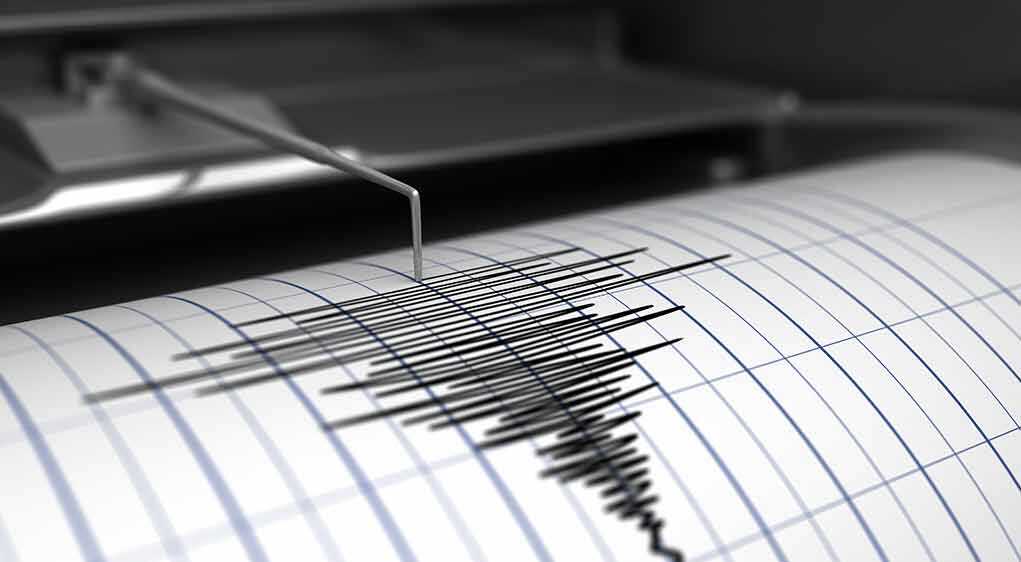
A powerful 7.0 earthquake in Tibet killed at least 16 people and toppled hundreds of homes, according to state and international reports.
Story Highlights
- A magnitude 7.0 quake struck Tibet near Nagqu, killing at least 16 people.
- Rescuers deployed in the thousands, with tents and winter gear sent to the high-altitude area.
- More than 300 homes reportedly collapsed as aftershocks rattled remote villages.
- United States Geological Survey readings aligned with Chinese state reports on time and location.
What Happened: A Deadly Quake In Remote Tibet
Chinese state media and international outlets reported a magnitude 7.0 earthquake in Tibet on Thursday night that killed at least 16 people and injured dozens. The quake struck near Baqên County in the Nagqu area around 10:33 p.m. local time. The United States Geological Survey placed the epicenter roughly 190 kilometers east-northeast of Nagqu, confirming the size and timing of the event. The region’s high elevation and harsh terrain complicate rescue work for local teams.
Reports said more than 300 homes collapsed across the affected area. Photos and initial field updates showed damaged buildings and cracked roads as people left homes in the dark, cold night. Dozens were injured, with some numbers shifting as officials reached remote towns and clinics. State media updates and later wire reports cited rising injury totals while keeping the death count at 16 during early coverage windows.
Rescue And Relief: Moving People And Supplies Fast
Authorities deployed more than 1,600 rescue personnel, including medical teams, engineers, and firefighters, to search for survivors and clear debris. Emergency managers sent tents, blankets, and winter supplies to keep families warm at high altitude. The goal focused on opening key roads, assessing unstable buildings, and moving the most seriously injured to better equipped hospitals. The first 24 to 48 hours are critical for finding survivors after a major quake.
Teams worked through aftershocks, which raised the risk of fresh collapses. Field crews set up temporary shelters and basic clinics to treat cuts, broken bones, and exposure. Utility workers checked water lines, power, and communications. Local leaders urged caution near damaged structures while crews inspected schools and government buildings before allowing reentry. Winter gear was prioritized due to cold nighttime temperatures in the plateau region.
Geology And Verification: How Agencies Align On The Basics
The United States Geological Survey record matched the core details in Chinese reports on magnitude, timing, and general location, giving a consistent scientific baseline across borders. This alignment matters in the crucial early hours, when accurate size and location help responders plan ground, air, and road access. It also guides aftershock expectations and building safety checks, which rely on shaking intensity maps and fault behavior models.
Early casualty counts often change as rescuers reach outlying villages and remove duplicate reports. That pattern appeared here as different updates listed various injury totals while the death count held at 16. Disaster researchers warn that earthquake death and injury figures tend to shift in the first days as hospitals and field teams reconcile data. That does not alter the core facts of a deadly event that destroyed many homes and triggered a major rescue.
Why It Matters To American Readers
Major quakes in the Himalayas can disrupt supply lines and raise needs for winter aid just as temperatures drop. United States companies and relief groups often move gear into the region after large disasters. Clear, timely data helps them decide what to send and where. When basic facts on size and location match across agencies, private and faith-based charities can act faster and target help with fewer delays.
For Americans who care about honest reporting and accountable government, aligned data from the United States Geological Survey and named international outlets adds clarity to a fast-moving crisis. The confirmed magnitude and timing frame the scope of damage. The deployment of rescue teams and winter supplies shows a real response on the ground. The bottom line is simple: a strong quake hit a remote area, killed many, injured more, and destroyed homes. People need shelter, heat, and care now.