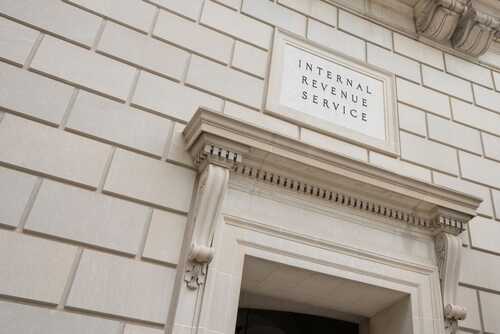
A former IRS abolition advocate, now Commissioner, Billy Long begins his tenure amid partisan controversy and has pledged sweeping shifts in agency culture and mission under a conservative agenda.
At a Glance
- Billy Long was confirmed by a slim Senate margin and sworn in as the 51st IRS Commissioner on June 16, 2025, ending months of interim leadership.
- As a former Missouri congressman, Long previously endorsed abolishing the IRS in favor of a flat or sales tax.
- He has called for a 90‑day internal culture transformation focused on improving the experience of both employees and taxpayers.
- His appointment coincides with plans to reverse significant portions of Biden‑era funding and expand enforcement cuts.
- Concerns have emerged over his leadership PAC spending on political research and his association with controversial pandemic‑era tax‑credit referrals.
From Abolition to Administration
Billy Long brings an unconventional background to the IRS, transitioning from vocal critic to agency head following a commencement ceremony attended by top officials. He assumes control of a vast organization collecting nearly $5 trillion annually and employing tens of thousands, after a prolonged period of leadership instability. His career path includes work as an auctioneer, realtor, radio host, and legislator—but not federal tax administration.
In his opening address to staff, Long emphasized the 90‑day initiative to foster a more taxpayer‑friendly, employee‑centered environment—a marked departure from recent years’ emphasis on enforcement and technological expansion.
Culture, Policy, and Controversy
Long’s early agenda centers on organizational culture change and customer service improvements. This comes as congressional actions roll back much of the Inflation Reduction Act’s IRS funding boost, creating uncertainty around ongoing modernization projects. His public messaging aligns with calls from conservatives to streamline operations and prioritize efficiency over aggressive enforcement.
Political headwinds remain: some Republican lawmakers have welcomed his customer-centric vision, while Democrats continue to express concern over his PAC’s recent spending and his alleged ties to questionable tax-credit programs. During confirmation hearings, lawmakers pressed him on safeguards against political meddling in audits and questioned his prior support for potentially fraudulent credits.
As commissioner, Long faces the challenge of reconciling conservative policy goals—like funding reduction and reassessment of nonprofit oversight—with the need to maintain tax compliance, cybersecurity, and public confidence. His term, running through November 12, 2027, presents him with both an opportunity to redefine the IRS and significant scrutiny that may shape or limit his ability to deliver on pledges.