
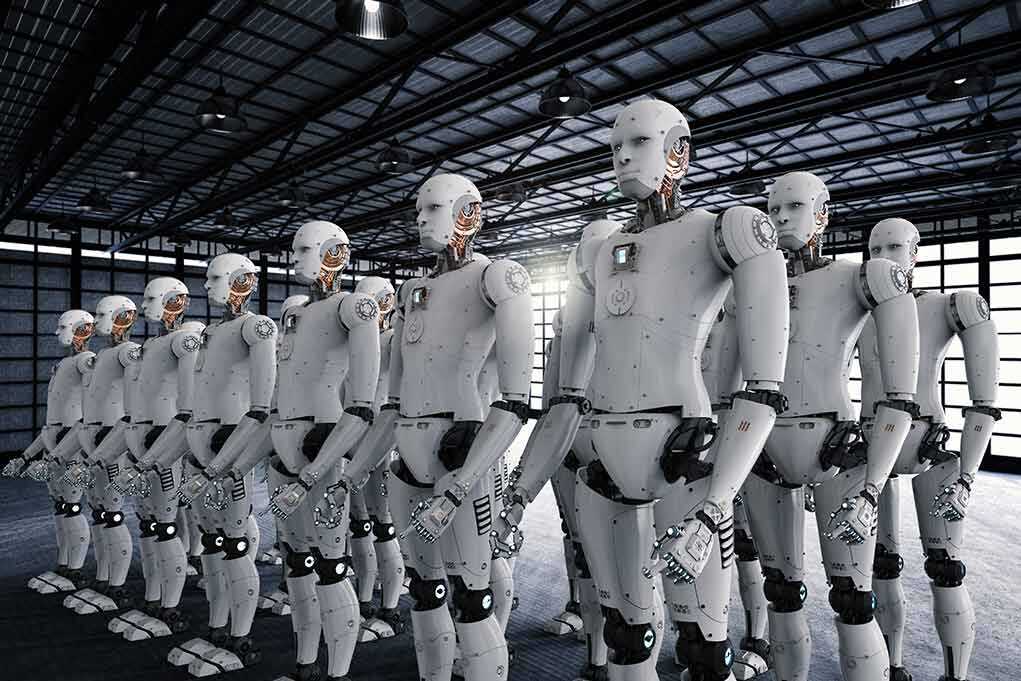
The U.S. Army’s 101st Airborne Division is pushing robots ahead of riflemen to build a “drone contact layer” that shields soldiers and speeds lethal decisions.
Story Highlights
- The 101st Airborne is sending armed and sensing robots forward to disrupt enemies before troops make contact.
- The brigade integrated artificial intelligence into staff planning to cut timelines and improve targeting.
- Division initiatives aim to scale robotics and artificial intelligence across warfighting functions.
- Recent exercises tested strike drones and decision tools shaped by real battlefield lessons.
Army Unit Puts Drones Between Americans and the Enemy
Col. Richard “Ryan” Bell said his brigade now fights with a “drone contact layer.” He described sending robots in front of rifle squads to find, fix, and hit threats before soldiers close in. That approach places machines at risk first, not Americans. Defense reporting from a June exercise backs that account and quotes Bell using the same phrase, showing this is a field tactic, not a lab idea. The goal is simple: save lives while hitting faster and farther.
Bell said the brigade fully integrated artificial intelligence into planning. Staff sections use tools trained on Army and joint doctrine to frame the fight and shape courses of action. That is where artificial intelligence pays off. It sorts piles of sensor feeds and reports into a clear, ranked picture. Reporting on the division’s efforts echoes this shift, stressing faster target recognition and shorter planning cycles that can overwhelm an enemy with speed.
Robots Forward, Soldiers Protected: How the Layer Works
The contact layer uses small uncrewed aircraft and ground robots to scout routes, mark enemy positions, and strike targets. By pushing them forward, commanders see more, earlier, and with less risk. The brigade recently tested one-way attack drones and autonomous target detection in training, working new strike options into unit playbooks. The result is a shield in motion. Drones sense, map, jam, and strike. Soldiers then choose the time and place to finish the fight on U.S. terms.
The division is building the pipes and tools to scale this across units. A formal initiative describes integrating next-generation robotics, autonomy, and artificial intelligence across every warfighting function, from fires to sustainment. That matters because sensors alone are not enough. Units need power, networks, and software to fuse what drones see into actions that shooters can take. The division’s live-fire drills and industry teaming aim to close those last-mile gaps fast.
Speed From Sensor to Shooter: Planning Transformed
Modern battles flood staffs with drone video, radio intercepts, and satellite cues. Humans cannot sift it all in time. Artificial intelligence tools help by tagging key objects, tracking patterns, and proposing options that match commander’s guidance. Reports on the 101st’s work highlight how sensor data and large language models can cut targeting time and shrink planning windows. That speed denies the enemy room to move. It also reduces the chance that a strike misses because the picture is stale.
Exercises show how these parts fit together. The brigade used doctrine-trained tools to shape intelligence estimates and wargames. It fielded autonomous recon and strike drones to press the enemy line and to hunt for air defenses and artillery. It then pushed those finds into fires and maneuver plans. This loop—see, decide, shoot—now runs in minutes, not hours, when the network holds and teams practice. That edge can break ambushes and stop swarms before they mass.
Hard Lessons, Real Limits, And Why Training Matters
Tests also exposed limits. Media reporting recounts how staffers fed tens of thousands of drone reports into artificial intelligence tools to build a 3D picture, only to learn that some systems struggled with spatial reasoning. Another analysis described tools that were not yet ready to own tactical planning end to end. Those are fixable issues, and the Army is addressing them the right way—by putting gear in soldiers’ hands, finding breaks, and tightening the loop between coders and users.
The Army Builds an AI-Enabled 'Drone Contact' Layer for Combat
Warrior Maven The 101st Airborne is leveraging sensor data and large language models to automate target recognition, slash planning timelines, and overwhelm adversaries with high-speed,…@BreitbartNews…
— Armed Forces Press (@AFP_press) October 2, 2026
Conservatives should see this as the right model: front-line units solving real problems with practical tools, not bloated programs. President Trump’s Defense leadership pushed for drone dominance and rapid fielding, and the 101st is moving out on that charge with American industry at its side. Robots now take the riskiest first hits. Artificial intelligence helps staffs cut red tape and move faster. That protects our troops, strengthens deterrence, and puts American steel and skill ahead of our enemies.
Sources:
realcleardefense.com, army.mil, defensescoop.com, api.army.mil, breakingdefense.com, csmonitor.com