Russia vows “mass-scale” strikes after Ukraine’s record drone hit on Moscow’s refinery, raising real risks for Europe and U.S. interests.
Story Highlights
- Ukraine launched its largest drone attack on Moscow, damaging a key refinery and disrupting airports [3].
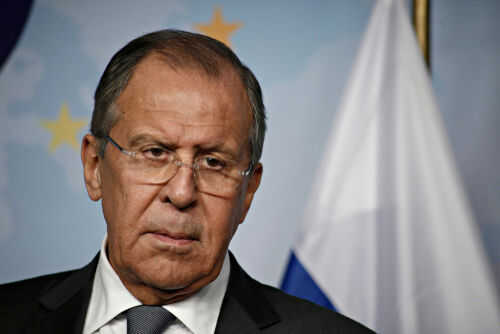
- Russian Foreign Minister Sergei Lavrov warned of “mass-scale” retaliation against Ukraine [2].
- Reports say nearly 200 drones aimed at Moscow were shot down, with several getting through [1].
- Escalation could hit energy markets and strain already thin Western stockpiles.
Russia Signals Retaliation After Record Drone Strike
Russian officials said they would answer Ukraine’s largest drone attack on Moscow with “mass-scale” strikes on Ukraine. Foreign Minister Sergei Lavrov delivered the warning after drones set fires and damaged a major refinery that helps supply the capital’s fuel market [2]. Ukraine’s barrage forced brief closures at Moscow’s airports and caused injuries in the region, according to local officials [2]. This exchange continues a pattern of tit-for-tat long-range strikes that both sides claim as retaliation.
Video and broadcast reports described the attack as the biggest drone offensive on Moscow since Russia’s full-scale invasion. Moscow’s mayor said air defenses downed around 194 drones heading toward the city. Footage showed fires and damage at a refinery and debris falling across parts of the region [3]. Another broadcast report noted airports were temporarily halted, while at least a couple of drones appeared to penetrate defenses and hit oil infrastructure near the capital [1].
What Changes On The Ground And At The Pump
Targeting a refinery is not just a headline. It hits fuel supplies, logistics, and military transport. Russian state and local reports said several drones reached refinery facilities, prompting large fires and emergency response [2]. Disruption near Moscow also triggered airport delays and cancellations. If Russia answers with strikes across Ukraine’s grid or depots, power and transport inside Ukraine could suffer. That could push more refugees westward and raise costs for European partners who are already stretched.
Energy markets react to fear and disruption, not just damage. A refinery fire in Moscow may not set global oil on fire, but it adds risk. Traders watch for follow-on strikes and for any sign the war is creeping toward broader infrastructure targeting. More hits on refineries, depots, or pipelines increase pressure on prices. Families here already face high energy costs after years of bad policy and underinvestment. Escalation in Europe can lift gas and diesel prices at home within days, not weeks.
Ukraine’s Rationale And The Limits Of What We Know
Ukraine framed the strike as a justified response to recent Russian bombardments on its cities. Reports note Kyiv has expanded its long-range drone campaign against strategic targets, including oil facilities, to limit Russia’s war machine and force choices on the Kremlin [3]. This line matches a months-long pattern in which both sides cite retaliation to explain new salvos. Still, outside observers cannot confirm exact orders, timelines, or the scale of any pending Russian package. The warning from Lavrov is public, but the details are not [2].
Numbers cited by Russian officials and state-linked outlets vary and are hard to verify in real time. Broadcasts referenced close to 200 drones shot down near Moscow, with some getting through to hit fuel infrastructure [3]. Another report cited the same scale, highlighting visible fires, smoke, and shutdowns at Moscow’s airports [1]. The picture is clear enough on the main point: this was a large attack that struck strategic assets and triggered a promise of retaliation. The size and timing of that retaliation remain uncertain.
Why This Matters To American Readers
Washington cannot afford another open-ended drain on gear, fuel, and funds. Every drone wave invites a response that burns through missiles and air defenses. Europe will ask for more resupply. That means more pressure on American stockpiles and budgets. Families are still fighting inflation from years of overspending. If energy prices jump on fresh shocks, wallets get hit again. Policy should focus on deterrence, strong borders, energy independence, and clear limits on commitments overseas.
JUST IN: 🇷🇺🇺🇦 Russia threatens “massive” retaliation after large Ukrainian drone strike on Moscow
Russian Foreign Minister Sergey Lavrov has warned that “massive and coordinated attacks” on Ukraine will soon follow, after one of the largest drone assaults on Moscow in the war. pic.twitter.com/NR3MYa764R
— War Radar (@War_Radar2) June 18, 2026
The Constitution puts Congress in charge of war powers and the purse. Lawmakers should demand clear goals, costs, and end states before sending more aid. The United States can back allies while guarding our own readiness. That means rebuilding domestic energy capacity, fixing supply chains, and restocking precision weapons. It also means pushing diplomacy that reduces the risk of strikes on energy infrastructure. America is strongest when we defend our interests first and keep our promises to our own people.
Sources:
[1] YouTube – Russia will launch “Violent and Heavy Attacks” against Ukrainian …
[2] YouTube – Major drone attack in Russia near Kremlin, Moscow …
[3] Web – Moscow residents complain of black rain after largest …