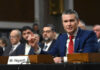
Israel’s military intelligence chief Aharon Haliva has resigned, citing responsibility for the failures that left the country unprepared for Hamas’s October 7 attacks.
At a Glance
- Aharon Haliva led Israel’s military intelligence directorate since 2021
- He formally resigned over intelligence lapses tied to October 7, 2023
- Hamas killed around 1,200 people in Israel and abducted more than 250
- Israel’s counteroffensive in Gaza has killed over 34,000 Palestinians
- Haliva will remain in post until a successor is appointed
Resignation Fallout
Major General Aharon Haliva submitted his resignation to Israel’s Military Chief of Staff, becoming the highest-ranking officer so far to step down after Hamas’s surprise cross-border assault. The October 7 attack, in which militants breached Israeli defenses and killed roughly 1,200 people while taking hostages back into Gaza, has been described by officials as the nation’s worst intelligence failure in decades.
Watch now: Israel’s military intelligence chief resigns over failure to anticipate October 7 attack · YouTube
Haliva had led the intelligence directorate since 2021 and faced sustained criticism for not anticipating Hamas’s preparations. In his resignation letter, he accepted “clear responsibility” for the lapses, although he had earlier told lawmakers that warning signs had been missed across multiple agencies.
Shifting Command
His departure adds to the growing pressure on Israel’s defense establishment. Several senior commanders have publicly admitted their share of responsibility, though Haliva is the first to leave office. Military officials indicated he would remain in his role until a successor is formally appointed, in order to preserve continuity during ongoing operations in Gaza.
Prime Minister Benjamin Netanyahu has not personally taken responsibility for the failures, a point that has fueled protests across Israel since late 2023. Families of October 7 victims have demanded more accountability, staging regular demonstrations calling for leadership changes at the highest levels of government.
Broader Implications
The war in Gaza, launched immediately after the Hamas assault, has now lasted more than ten months. According to health authorities in the territory, over 34,000 Palestinians have been killed by Israel’s retaliatory military campaign, which continues to target Hamas fighters but has also drawn widespread international criticism over civilian casualties.
The resignation raises questions about whether other senior security figures will follow suit, particularly as public trust in the government and military institutions remains strained. Analysts note that Israel has traditionally conducted official commissions of inquiry following major conflicts, and a state inquiry is widely expected once the current war subsides. Such investigations could determine not only systemic failures but also the personal accountability of top leaders, including Netanyahu himself.
For now, Haliva’s exit underscores the ongoing fallout from October 7 and signals that the political and military reckoning is only beginning.
Sources
The Independent
Haaretz
Al Jazeera