
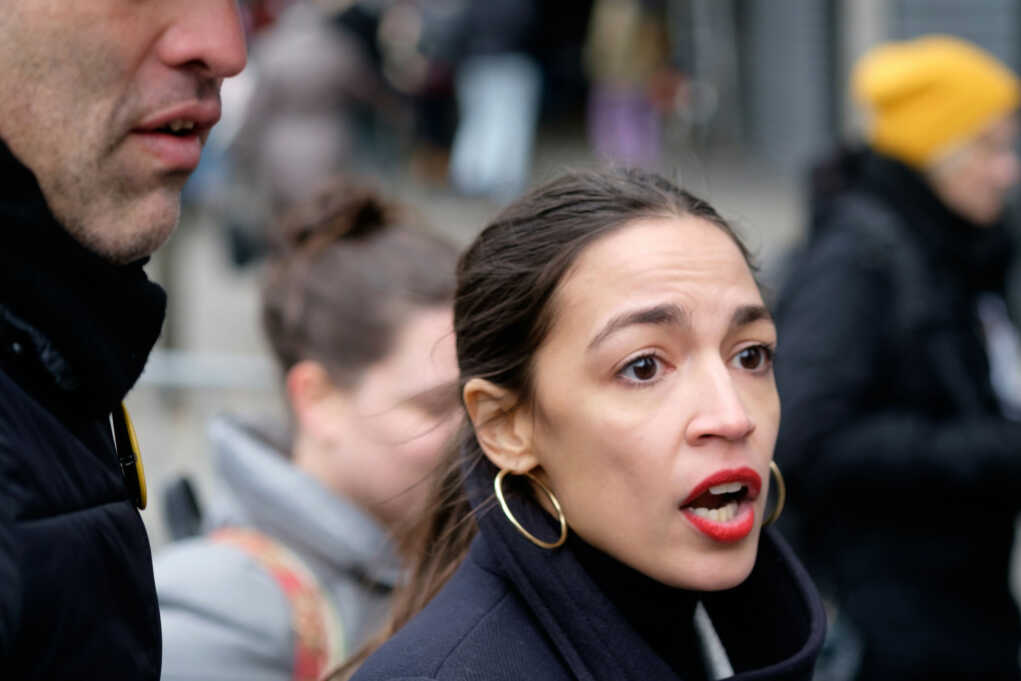
A sitting member of Congress is openly urging television networks to screen and potentially silence a presidential address on elections, putting the First Amendment and media neutrality squarely in the crosshairs.
Story Snapshot
- Rep. Alexandria Ocasio-Cortez says networks have an “ethical obligation” not to air Trump’s election speech if it repeats “lies.”
- She urges media companies to review Trump’s remarks in advance and block anything she deems not “rooted in evidence and fact.”
- Major networks have a long tradition of airing presidential addresses live, even when content is controversial.
- The clash revives core fights over free speech, media bias, and who decides what Americans are allowed to hear.
AOC’s new push to keep Trump’s election speech off the air
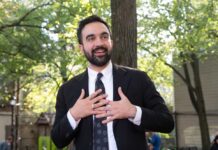
Rep. Alexandria Ocasio-Cortez of New York told a reporter that television news outlets have an “ethical obligation” not to air President Trump’s upcoming prime-time address on elections if it spreads what she calls “lies” about the process. She said she does not believe media should “contribute to the platforming of lies about our elections” and framed the speech as a “made-for-TV broadcast about election fraud and conspiracy theories.” Her comments came as Trump prepares a Thursday night address focused on elections and alleged foreign interference.
Ocasio-Cortez argued that many networks receive advance transcripts of presidential speeches and should use that to decide whether the address is acceptable to broadcast. She claimed outlets have “an ethical obligation not to air things that undermine our elections that are not rooted in evidence and fact,” urging them to treat Trump’s words as a kind of content that must be screened before the public sees it. A short clip of her remarks spread on social media, where supporters praised her and critics accused her of demanding censorship.
Pattern of boycott politics and pressure on Trump’s speeches
This is not the first time Ocasio-Cortez has tried to signal strong opposition to Trump’s public addresses. In 2020, she and Rep. Ayanna Pressley announced they would boycott Trump’s State of the Union address during his first term, using their empty seats to protest his policies and behavior. More recently, she said she would skip another joint-session speech and instead provide her own live online response, choosing personal protest rather than engaging in the normal ritual of listening to a president’s remarks in the chamber.
After a previous Trump address to Congress, Ocasio-Cortez posted a video response blasting him for what he left out, including any discussion of Medicaid while he talked about “waste” in government programs. Her record shows she has long viewed Trump’s national speeches as harmful and misleading, but in those cases her actions focused on boycotts and rebuttals, not on telling networks what they are allowed to air. Her new push crosses that line by framing the question as an ethical duty for media companies to block the president’s message if it does not meet her standard of “evidence and fact.”
Media tradition: presidents speak, networks air, people decide
For decades, television networks have followed a clear norm when a president asks for time to speak to the country: they say yes and carry the speech live. During Trump’s first term, when he requested prime-time airtime for an Oval Office address on border security, every major broadcast network and major cable news channel agreed to run it. That decision held even though many executives and commentators expected sharp partisan claims and disputed facts in the remarks, and knew there would be backlash from the left after it aired.
Network leaders have defended that practice by pointing to the basic news value of a president speaking directly to the nation. When critics complained that Trump’s immigration and border speeches were full of exaggerations or untrue claims, executives said the “newsworthiness” of a presidential address outweighed fears of airing false statements. They often responded by fact-checking Trump before and after the speech, or offering equal time to political opponents, rather than refusing the broadcast. That model respects the audience’s right to see unfiltered remarks and then judge credibility for themselves.
Free speech double standards and the risk to constitutional norms
Civil liberties groups have already warned in recent years about the dangers of trying to “de-platform” political leaders rather than debate them. The American Civil Liberties Union, for example, criticized sweeping online bans on Trump in 2021, saying the problem of harmful political speech will not be solved by “censoring” it away. Courts have also ruled that public officials like Trump and Ocasio-Cortez cannot block critics from their official social media accounts because those are public forums protected by the First Amendment. That means Ocasio-Cortez herself is not allowed to shut dissenters out of her own online platforms simply because she dislikes their views.
AOC calls for networks to censor Trump election integrity speech https://t.co/RhpdowAYYN
— American Wire News (@americanwire_) July 15, 2026
Against that backdrop, her claim that networks have a duty not to air Trump’s election address raises deeper questions for conservatives about who controls speech in America. If a member of Congress can pressure media companies to blacklist a sitting president’s words on the grounds that she labels them “lies,” then nothing stops future politicians from urging similar blackouts on gun rights speeches, border security talks, or pro-life statements. Many viewers would rather hear Trump and then watch tough fact-checks, instead of letting politicians and corporate newsrooms decide which arguments are too dangerous for the public to hear.
Sources:
telegraph.co.uk, cnn.com, apnews.com, nbcnews.com, politico.com, youtube.com, deadline.com