President Trump publicly rejected French President Emmanuel Macron’s G7 meeting invitation, then exposed their private diplomatic messages on social media, revealing a dramatic breakdown in transatlantic relations that undermines decades of traditional diplomatic protocol.
Story Snapshot
- Trump refused Macron’s post-Davos G7 meeting offer and publicly shared screenshots of private diplomatic messages on Truth Social
- The president dismissed Macron as “publicity-seeking” after the French leader speculated about Trump’s early departure from a G7 summit
- Trump prioritized America First objectives including Greenland negotiations over multilateral G7 engagement
- The public spat exposes deepening rifts between U.S. unilateral policy and European multilateral expectations
Diplomatic Protocol Shattered on Social Media
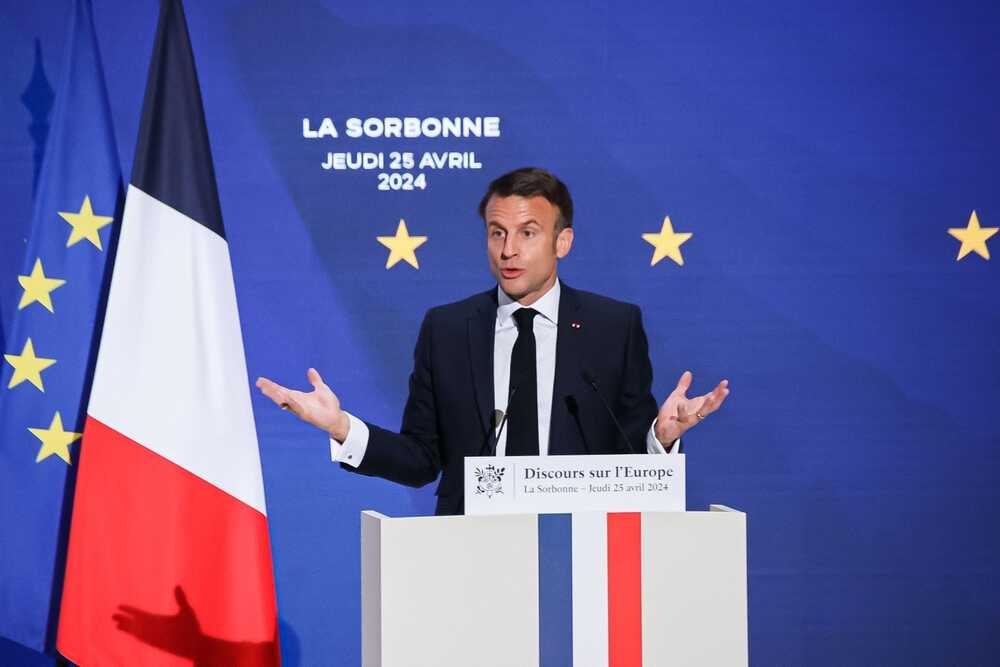
President Trump posted screenshots of private messages from French President Emmanuel Macron on Truth Social, breaking longstanding diplomatic norms. The messages showed Macron inviting Trump to a G7 meeting in Paris following the Davos summit, offering dinner and questioning Trump’s focus on Greenland while noting cooperation on Syria and Iran. Trump publicly declined the invitation, prioritizing bilateral negotiations over the multilateral forum. This unprecedented breach of confidential communications signals a fundamental shift in how American leadership engages with traditional allies, reflecting frustration with globalist institutions that many Americans believe have failed to serve national interests.
Trump Calls Out Macron’s Mischaracterization
Trump blasted Macron on Truth Social for telling reporters that the president left a G7 summit early to focus on an Israel-Iran ceasefire. Trump declared Macron “wrong” and accused him of seeking publicity, stating his return to Washington addressed something “much bigger than that,” likely a national security matter. The public rebuke highlights a pattern where establishment politicians, both domestic and foreign, misrepresent Trump’s actions to fit their preferred narratives. For Americans tired of elites spinning stories to maintain their relevance, Trump’s direct correction cuts through the diplomatic doublespeak that has characterized failed foreign policy for decades.
America First Versus Multilateral Consensus
Trump’s rejection of the G7 meeting underscores his administration’s prioritization of bilateral deals over multilateral forums that conservatives view as talking shops producing little tangible benefit for American workers. The president focused instead on Greenland negotiations, NATO burden-sharing discussions, and Middle East security matters where U.S. interests can be directly advanced. This approach challenges the post-World War II international order that establishment figures like Macron defend. France 24 analyst Kethevane Gorjestani characterized Trump’s early G7 departure as symbolizing “America alone,” though supporters see it as America finally putting its citizens first after years of subsidizing European security and absorbing unfair trade practices.
Europe’s Frustration With American Independence
Macron criticized U.S. tariffs at Davos as destabilizing Europe, revealing the fundamental disconnect between Trump’s economic nationalism and European expectations of American support for their priorities. The French leader’s G7 proposal aimed to coordinate responses to crises in Syria, Iran, and Ukraine through collective action. However, Trump’s rejection reflects a broader American frustration with allies who demand U.S. resources and security guarantees while undermining American economic interests and contributing inadequately to NATO. Despite the diplomatic tensions, G7 nations managed to issue a joint statement after the Canada summit, though Trump’s early departure highlighted the forum’s diminishing relevance to U.S. strategic objectives in an era where citizens demand government accountability to national rather than global interests.
France Bends the Knee to Trump on G7 Meeting – but They're Whining About It https://t.co/1HZ5cA54hx
— Jim Weltzin (@JimWeltzin) April 25, 2026
The public dispute between Trump and Macron exposes a deeper truth that resonates across the political spectrum: traditional diplomatic institutions often serve the interests of political elites rather than ordinary citizens. While establishment figures condemn Trump’s breach of protocol, millions of Americans and Europeans alike question whether polite diplomatic channels have delivered peace, prosperity, or security. Trump’s unfiltered approach may offend sensibilities in Paris and Brussels, but it reflects a growing demand for leaders who prioritize their own citizens over maintaining the comfortable arrangements that have enriched the political class while leaving working families behind. Whether this represents a temporary disruption or permanent realignment of Western relations remains uncertain, but the old order built on American deference to multilateral consensus is clearly crumbling.
Sources:
Trump Shares Messages from France’s Macron Offering G7 Meeting After Davos – Al-Monitor