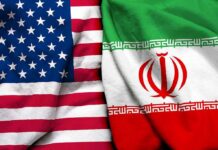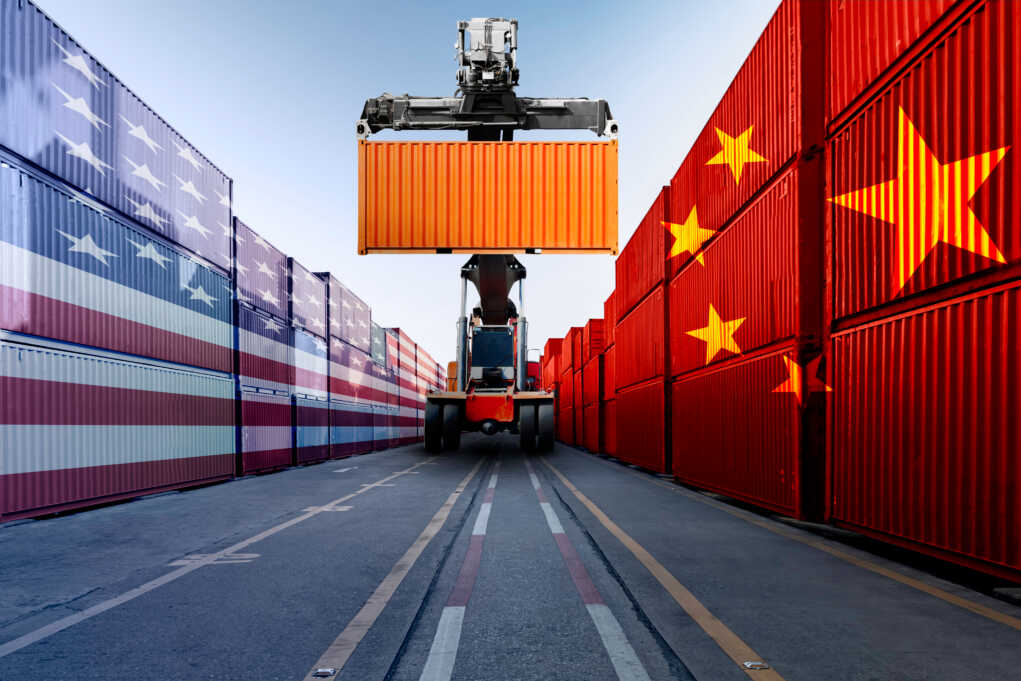
China has agreed to work with President Trump’s administration to slash tariffs, but the deal is a tactical ceasefire in a long trade war, not the end of the fight.
Story Snapshot
- White House order extends reduced tariffs with China until November 10, 2026, in what Trump calls a “historic and monumental” deal.
- Beijing suspends many retaliatory tariffs and export controls, while Washington keeps higher emergency tariffs on hold rather than scrapping them.
- China promises big purchases of American farm goods, but past broken pledges justify conservative skepticism.
- The truce cools tensions and may ease prices, yet core battles over technology, rare earths, and national security are still ahead.
Trump’s Tariff Pause: What the New Deal with China Actually Does
The latest arrangement between the United States and the People’s Republic of China extends a hard‑won tariff pause, but it is not a surrender of leverage. After talks with China’s president in Asia, the White House issued a presidential action implementing an “economic and trade arrangement” and continuing the suspension of the toughest reciprocal tariffs on Chinese imports until November 10, 2026.[4] The emergency authorities that allowed those steep tariffs remain in place, meaning the pressure can return if Beijing backslides.[4]
This pause builds on an earlier 90‑day truce reached in May 2025, when United States tariffs on Chinese goods were slashed from an eye‑watering 145 percent down to 30 percent, and China cut its own duties on American products from 125 percent to around 10 percent for that window.[1] United States trade officials made clear that those reductions were designed to create space for negotiations, not to reward China permanently. For three months, both sides kept tariffs lower while talks moved forward.[1]
What China Conceded: Retaliatory Tariffs, Rare Earths, and Farm Buys
The new deal forces Beijing to give ground in ways that matter to American jobs and national security. The White House order says China agreed to suspend or remove many retaliatory measures it had aimed at the United States, including tariffs on a “vast swath” of American agricultural products through the end of 2026 and to extend its own tariff‑exclusion process for United States imports.[4] That means less punishment for American farmers and manufacturers who were targeted for political pressure during the earlier escalation.[4]
Trade analysts detail that China also promised to delay new export controls on key rare earth minerals and magnets for one year and to issue broad licenses for important inputs like gallium, germanium, antimony, and graphite.[3] Those are critical for defense systems, electronics, and energy infrastructure. By forcing Beijing to back off those restrictions, the Trump administration bought time for American supply chains and reduced the risk that China could suddenly choke off materials our industries rely on.[3]
American Moves: Keeping the Pressure, Giving Some Relief
On the United States side, Trump’s team agreed to maintain the suspension of the “heightened” reciprocal tariffs and instead apply a flat 10 percent additional duty on Chinese goods under the arrangement.[4] Earlier, Washington had also agreed to cut a fentanyl‑related tariff from 20 percent to 10 percent, which lowered the overall average tariff rate on Chinese imports but kept clear financial penalties in place.[2] Those moves give American importers some breathing room while preserving a tariff stick if China cheats or drags its feet.[2][4]
In return for this partial relief, China committed to increase purchases of American soybeans, sorghum, livestock, and other farm products, according to White House memos and trade summaries.[3][4] Bloomberg reporting describes an agreement for Beijing to buy at least 17 billion dollars in American agricultural goods annually through 2028, a meaningful boost for farm communities that suffered under earlier retaliatory tariffs.[1] For rural families squeezed by inflation, fertilizer costs, and global uncertainty, even incremental new demand from China can help stabilize prices and keep operations afloat.[1]
Why Conservatives Should See Both Opportunity and Risk
For constitutional conservatives who favor strong borders, fair trade, and self‑reliance, this deal is best viewed as a tactical maneuver, not a final victory. The White House itself admits this is about managing a “national emergency” declared under previous orders, not ending it.[4] The core conflicts over technology theft, market access, and state‑backed Chinese industrial policy are not resolved. Analysts at a major trade‑risk firm describe the agreement as tactical and “fragile,” warning that disputes over semiconductors and rare earths still lurk beneath the surface.[2]
China, US Discuss Tariff Cuts Alongside Boeing Deal
Read more here: https://t.co/5BB5yFmPDb#GlobalTrade #Tariffs #Boeing pic.twitter.com/nNzM1LxQvg
— The Supply Chain Report (@SupplyChainRep) May 20, 2026
Conservatives are also right to remember prior disappointments. Former officials note that earlier Chinese promises to buy large amounts of soybeans and aircraft after the 2020 “Phase One” deal were never fully met, even though that agreement was billed as “historic and enforceable.”[5][1] That history justifies skepticism toward Beijing’s new farm‑purchase pledges and reminds us why Trump’s team wisely kept the emergency tariff framework intact. If China fails to deliver, the United States can quickly snap tariffs back into place.[4][1]
What It Means for Everyday Americans Going Forward
For families and small businesses already battling high energy bills and years of inflation, this tariff pause could modestly ease some price pressure, especially on imported equipment and consumer goods. But the research so far does not yet show how much of the tariff relief is flowing through to lower prices at the store or higher margins for mom‑and‑pop shops.[2] Detailed customs and trade‑flow data will be needed to see whether big corporations pocket the savings or whether ordinary Americans truly benefit.[2]
What is clear is that the Trump administration has not gone soft on China. The United States won concessions on rare earths, retaliatory tariffs, and agricultural access while maintaining the legal tools to re‑escalate if Beijing backtracks.[3][4] The deal buys time to rebuild supply chains, push energy independence, and strengthen American industry without giving away the store. For patriots who value strength and accountability, the right posture now is cautious support: welcome lower tariffs that help American workers, but insist that Washington stands ready to turn the pressure back on the moment China breaks its word.
Sources:
[1] YouTube – US and China agree to significant tariff reductions in 90-day trade …
[2] Web – US-China tactical deal: Tariffs, tech, and rare earths | Coface
[3] Web – United States and China Negotiate One-Year Trade Deal – Wiley Rein
[4] Web – Modifying Reciprocal Tariff Rates Consistent with the Economic and …
[5] Web – Phase One | United States Trade Representative