
A little‑noticed Supreme Court ruling just changed how every armed citizen and every cop traffic stop will be judged in court.
Story Snapshot
- The Supreme Court threw out a lower-court rule that only looked at the split second a cop fired his gun.
- Justices said courts must look at the full story, from the first contact to the final shot, with no time limit.
- The case began when a Houston officer jumped onto a car over unpaid tolls, then shot the unarmed driver dead.
- The ruling could help law‑abiding gun owners and families win more “excessive force” cases, but big gaps remain.
What The Supreme Court Just Changed
In 2025, the Supreme Court decided a case called Barnes v. Felix, after a Houston traffic stop over unpaid tolls ended with a dead driver and no criminal charges for the officer. Lower courts had used a “moment of threat” rule. They asked only one question: was the officer in danger at the exact instant he fired. The Supreme Court threw that rule out and said the Constitution demands more.[1][5]
Justice Elena Kagan wrote for a unanimous Court that the Fourth Amendment requires a “totality of the circumstances” test in force cases, with no time limit. That means judges must look at the whole encounter, not just a freeze frame right before the shots. Earlier choices by the officer—like how the stop began, what warnings were given, and whether the officer created the danger—can now matter in court.[1][5]
Why This Matters For Police, Patriots, And Gun Owners
The facts in Barnes are simple and troubling. Officer Roberto Felix pulled over Ashtian Barnes for toll violations, then jumped onto Barnes’s moving car and fired two shots, killing him. The appeals court said that once the car moved with the officer on the doorsill, the threat was clear and deadly force was reasonable. The Supreme Court said that view put “chronological blinders” on judges and broke with long‑standing Fourth Amendment rules.[1][5]
This shift lines up with the Court’s older cases like Graham v. Connor, which say force must be “objectively reasonable” given all the facts a normal officer would see. Legal analysts note that Barnes does not make brand‑new law; it mainly forces lower courts to actually follow that total‑facts rule instead of hiding behind a narrow split‑second snapshot. For families and concealed carriers, that means a jury may finally hear the full story, not just the last frame.[1][16]
The Hidden Limits: Qualified Immunity Still Blocks Most Cases
Even with this win, the Court kept the decision narrow. It did not answer the toughest question: can courts count “officer‑created jeopardy,” where the officer’s reckless actions create the danger that later “justifies” shooting. The justices said only that you cannot ban courts from looking at earlier events. They left it to lower judges to decide whether those bad choices make force unreasonable under the totality test.[3][4]
That gap matters because most excessive‑force lawsuits die before trial under qualified immunity, the doctrine that shields officers unless they violated clearly established law. Studies of civil rights cases show a huge share of claims get dismissed on immunity grounds even when families allege serious abuse. Lawyers already report that, after Barnes, some appeals courts still rule for officers by saying that even with full context, the law was not “clear enough.”[1][20]
How Lower Courts, Police Chiefs, And Activists Are Spinning It
Legal groups on the left cheer Barnes as a civil rights victory and a “landmark” for police accountability, but they also call it narrow and say it mostly reaffirms what Graham already required. Police‑focused writers admit that the “moment of threat” rule is dead but warn that the broader test could expose officers to more Monday‑morning quarterbacking, since every tactical choice can now be second‑guessed in court. Both sides are already training lawyers to fight over what “totality” really means.[2][10]
For gun owners and everyday conservatives, there is a second risk: censorship and spin. Popular training channels explaining Barnes for concealed carriers warn that big platforms often down‑rank videos about police shootings and self‑defense law. That means many armed citizens may never hear that courts can now look at the officer’s entire conduct, including how they treated a lawful carrier before drawing down. In a world of biased algorithms, knowing your rights will not be easy.
What This Means For You During A Stop Or Home Defense Call
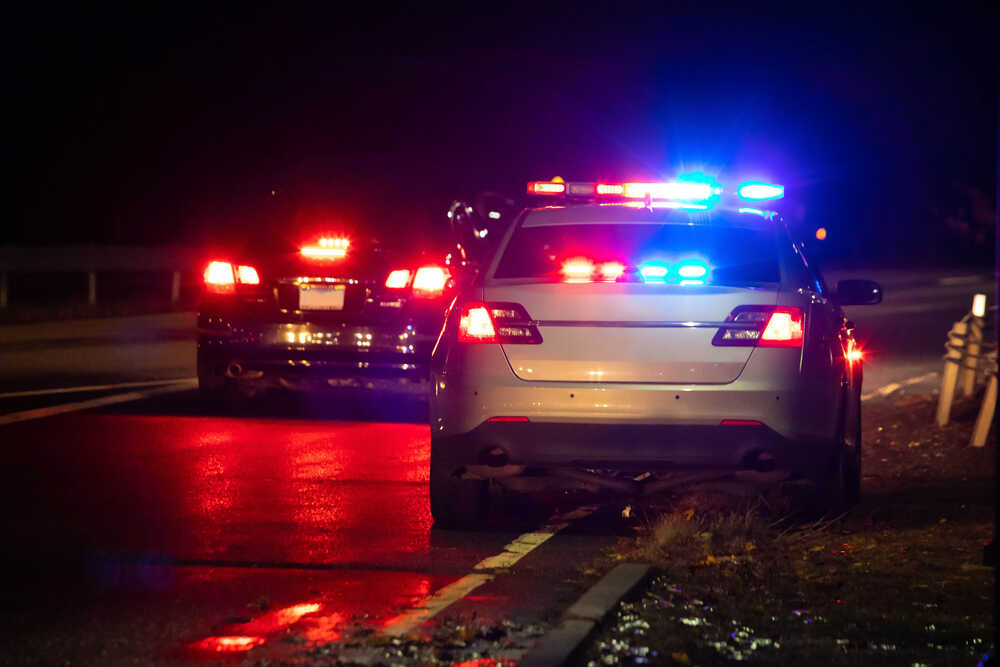
For now, Barnes sends one clear message: every second of an encounter counts. Officers know that their actions leading up to a shooting may now be dissected in court. Law‑abiding carriers should assume the same. How you speak, whether you follow clear orders, whether you reach for a glovebox without warning—every choice could be replayed in front of a jury. The story starts the moment the lights go on behind you, not when a gun clears the holster.[3]
State laws are also moving. After well‑known abuse cases, states like California shifted from a “reasonable” standard for deadly force to a “necessary” standard, and told officers to use other options when they safely can. Some legal scholars think Barnes will push more states and departments, under pressure from voters and from Washington, to bake full‑context rules into training. That could help honest citizens—but it could also fuel new lawsuits, higher costs for small towns, and more pressure for federal oversight of local police.[6][22]
Where Conservatives Should Keep Watch Next
The Barnes decision lands in a bigger tug‑of‑war over who really controls American policing. Civil rights groups want courts and federal agencies to dig deeper into every officer’s split‑second choice. Police unions warn this will make officers hesitate when lives are on the line. So far, no serious legal voice has produced a line‑by‑line rebuttal of the Court’s reasoning in Barnes, which strengthens the idea that the “moment of threat” rule violated the Fourth Amendment.[11]
The next big fight will be over “officer‑created jeopardy.” If courts start ruling that officers lose the right to use deadly force when their own reckless choices created the danger, big departments will rewrite training from top to bottom. That might reduce bad shootings—but it could also invite more federal control, more lawsuits, and more pressure on the men and women who still answer 911 in the middle of the night. Patriots should watch these cases closely, because they will shape how both cops and citizens use force, carry guns, and claim their rights in the years ahead.[4]
Sources:
[1] Web – Supremes Building Own Massive Police Force…
[2] Web – Supreme Court Unanimously Rejects Fifth Circuit’s “Moment of the …
[3] Web – Barnes v. Felix: Landmark Legal Decision Explained
[4] Web – Brady Celebrates Supreme Court Decision in Barnes v. Felix to Hold…
[5] Web – “Police Officer Use of Force and Officer-created Jeopardy After …
[6] Web – BARNES v. FELIX | Supreme Court – Law.Cornell.Edu
[10] Web – Barnes v. Felix: Traffic Stops, Excessive Force, and the Fourth …
[11] Web – The Supreme Court Reveals Its Commitment to a Totality Test for …
[16] Web – Excessive Force Claims Versus Police – Polinske & Associates, P.C.
[20] Web – Filing a Lawsuit Against the Police for Excessive Force
[22] Web – Chapter 5 – U.S. Commission on Civil Rights