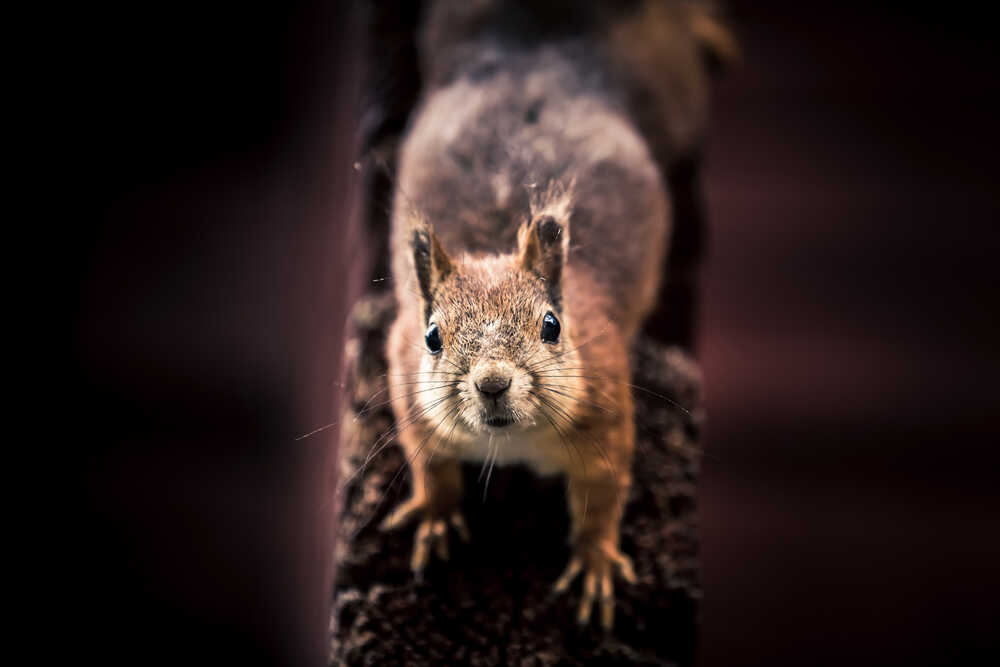
Grotesque photos of “zombie squirrels” are spreading fast, but wildlife experts say the real story is less dramatic and more practical.
Quick Take
- The squirrels are most likely dealing with **squirrel fibromatosis**, a skin virus that makes wart-like growths.
- State wildlife agencies say the disease is **not known to spread to humans, pets, or birds** in nature.
- Most squirrels recover on their own, and experts say people should **leave them alone**.
- Bird feeders and close contact can help spread the virus between squirrels.
What Wildlife Officials Say
State wildlife agencies in Michigan, Indiana, Pennsylvania, and Wisconsin say the condition is usually confined to squirrels and does not pose a public health threat.[3][5][7][8] The animals can look alarming because the virus causes oozing sores and wart-like tumors, but experts say the sight does not mean a danger to families, dogs, cats, or birds. That point matters because social media has turned a wildlife disease into a scare story.
Michigan’s Department of Natural Resources says the virus only infects squirrels in nature and has no public health significance.[3] Pennsylvania’s Game Commission says the growths usually regress when the animal has a working immune system, and most squirrels recover naturally.[5] Indiana’s Department of Natural Resources says juveniles are most affected, but the tumors usually do not stop survival unless the case is severe.[7] Wisconsin’s Department of Natural Resources adds that severe growths can block sight, eating, or movement.[8]
How The Virus Spreads
Wildlife experts say the virus moves mainly through biting insects such as mosquitoes and fleas, and also through direct contact between squirrels.[6] Backyard feeding spots can make that easier by crowding animals together around the same food source.[6] That is why officials advise people not to handle sick squirrels and to cut down on anything that draws too many animals into one place.
The practical advice is simple. Do not try to catch the animal, do not feed it by hand, and do not assume it needs human help. Experts quoted in recent reporting say the condition often runs its course in four to eight weeks, which is another reason not to interfere.[1][2][3] The goal is to let nature do the work while avoiding needless contact.
Why The Story Went Viral
The public reaction says as much about today’s media climate as it does about the squirrels. Headlines like “zombie squirrels” and “grotesque” turn a local wildlife issue into a fear event, even when the core facts are calm and clear.[4][13][14] That kind of framing can push people toward panic before they hear from the experts who study these animals for a living.
There is still one real limitation: the exact trigger for the current wave of cases has not been pinned down in the available research.[1][3] That gap is worth watching, but it is not the same as evidence of a human threat. For now, the best reading is straightforward. The squirrels look bad, the disease can be rough in severe cases, and the public risk remains low according to state wildlife officials.[3][5][7][8]
Sources:
[1] Web – Grotesque ‘zombie squirrels’ with oozing warts spotted roaming through …
[2] Web – An epizootic of fibromatosis in gray squirrels (Sciurus carolinensis …
[3] Web – Squirrel Wildlife Rehabilitation – Squirrel Fibroma
[4] Web – Squirrel Pox – State of Michigan
[5] Web – ‘Zombie squirrels’ sightings have been reported in Maine and Canada
[6] Web – Fibromas | Game Commission | Commonwealth of Pennsylvania
[7] Web – First rabbits, now squirrels: Bizarre wildlife growths explained by …
[8] Web – Fish and Wildlife: Squirrel Pox – Indiana State Government
[13] Web – ‘Zombie Squirrels’ With Pus-Filled Turmors Invade US Backyards
[14] Web – ‘Zombie squirrels’ covered in oozing warts spotted skulking through …