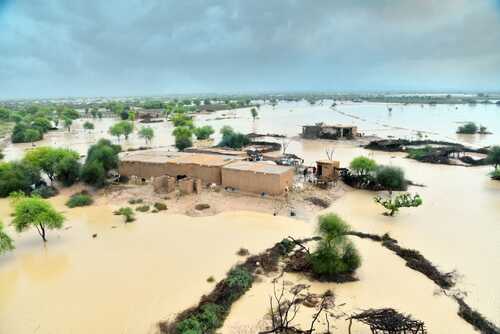
Over two days of intense monsoon rainfall in mid-August 2025, flash floods and landslides in northwest Pakistan’s Khyber Pakhtunkhwa province killed more than 300 people, prompting rescue operations despite significant challenges and highlighting the growing impact of climate-driven extreme weather.
At a Glance
- At least 307 people confirmed dead, hundreds more missing, in what is described as the most lethal monsoon downpour of the year
- Buner District was hardest hit—184 fatalities recorded after a sudden cloudburst triggered devastating floods; nearby Beshonrai village reported over 60 deaths and more than 20 missing
- A rescue helicopter crashed in poor weather, killing all five crew members, further hampering relief efforts
- Authorities deployed both civilian and military teams; set up medical camps and food aid while warning that climate change and poor infrastructure worsened the disaster
- A recent study found monsoon rainfall intensified by climate change—rainfall was 10–15% heavier than usual, reflecting broader trends of extreme events in South Asia
Regional Impact & Response
Khyber Pakhtunkhwa—particularly mountainous northern areas like Buner, Swat, Bajaur, and others—suffered widespread flash flooding and landslides after a sudden and powerful cloudburst. Local accounts describe waters rising in minutes, destroying homes and sweeping villagers away.
Watch now: More than 300 people dead in Pakistan after heavy rains, floods · Reuters
Rescue 1122, the provincial disaster management authority, and military units responded with ground operations and medical assistance. The response was severely impeded by road collapses, blocked access, and the fatal helicopter accident on August 15.
Helicopter crashes during relief efforts bring additional risks, underlining the challenge of delivering aid in volatile weather scenarios.
Environmental Drivers & Climate Context
Pakistan’s chief meteorologist attributed the scale of the disaster not only to extreme monsoon rainfall but also to contributory factors such as climate change, inadequate urban planning, construction near waterways, and waste blockage of drainage systems.
The World Weather Attribution study reinforced this assessment: monsoon rains were 10–15% heavier thanks to warming-induced atmospheric moisture increases, intensifying the rainfall’s destructive power.
Pakistan—a relatively small global greenhouse gas emitter—is disproportionately affected by climate extremes. Repeated flood events like those of 2022 and 2025 underscore the urgent need for resilient infrastructure and climate adaptation strategies.
Outlook & Broader Context
With monsoon patterns becoming increasingly volatile, further downpours are possible, raising the risk of new flash floods across vulnerable northern regions. Protection against such disasters requires enhanced early warning systems, stronger regulation of land use near waterways, improved drainage, and investments in resilient housing.
International cooperation and funding will be critical to help Pakistan adapt—especially since much of its population lives in flood-prone areas and lacks resources to build resilience.