

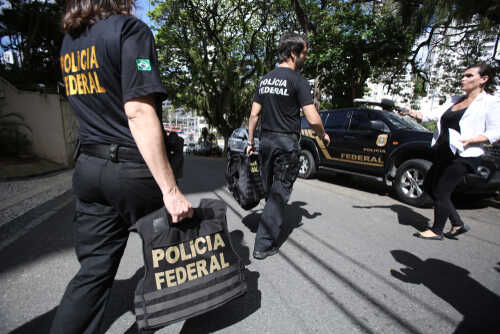
Lawmakers in Rio de Janeiro have reignited global controversy by approving a “Wild West Bonus” for police who kill so-called criminals—a move critics warn could unleash a new wave of violence and erode basic rights.
Story Snapshot
- Rio lawmakers passed a measure awarding police up to 150% salary bonuses for killing “criminals” during operations.
- Human rights groups and activists are outraged, warning the law incentivizes lethal force and could increase police violence.
- The bill revives a repealed 1990s policy tied to a spike in deadly police actions, targeting favelas and marginalized communities.
- The law awaits final approval by Governor Claudio Castro and faces legal challenges in Brazil’s Supreme Court.
Rio’s “Wild West Bonus” Law: Direct Incentives for Lethal Force
In September 2025, the Rio de Janeiro state legislature approved a controversial law offering police officers bonuses from 10% to 150% of their salary for killing individuals classified as “criminals” during operations, especially in violent confrontations or when heavy-caliber weapons are involved. The measure, quickly dubbed the “Wild West Bonus,” is rare in its explicit financial reward for lethal force. Human rights organizations and activist groups have sounded the alarm, arguing the law could encourage officers to use deadly violence, particularly in Rio’s favelas, where police interventions are already frequent and deadly.
The measure is not without precedent: a similar bonus system was enacted from 1995 to 1998 but was repealed after a surge in police killings and international outcry. Lawmakers backing the new bill claim it will deter crime and reward bravery in dangerous situations, but critics point to the previous policy’s failure and its disastrous consequences for public safety and civil liberties. The explicit revival of this approach signals a hardline response to persistent crime and political pressure to restore order, even as it risks further eroding trust in law enforcement and deepening social divides.
Activists outraged after Rio lawmakers approve ‘wild west bonus’ for police who kill ‘criminals’ https://t.co/tMvJuijl8T
— Phil 🆓🌍🧩🎲 (@Phil_Free_) September 26, 2025
Activist and Legal Opposition: Outrage and Supreme Court Challenge
Human rights defenders and Black rights groups have condemned the “Wild West Bonus” as a dangerous incentive that undermines due process and constitutional protections. Henrique Vieira, a leftist lawmaker, denounced the law for “stimulating violence and turning death into public policy,” while Black rights lawyer Djeff Amadeus warned of a “widespread massacre.” The Public Defender’s Office has filed a challenge to the law in Brazil’s Supreme Court, arguing it violates fundamental rights and could institutionalize extrajudicial killings. This legal pushback highlights fears that marginalized communities—already targeted by aggressive police tactics—will bear the brunt of any increase in violence.
Despite activist outrage and ongoing protests, the measure awaits promulgation by Governor Claudio Castro, a conservative known for his tough-on-crime positions and alliance with former President Jair Bolsonaro. Police unions may support the law, seeing it as a boost for officers risking their lives in dangerous conditions. However, human rights organizations and legal advocates remain steadfast in their opposition, warning that the law’s passage would set a troubling precedent and expose Brazil to international condemnation.
Historical Context and Societal Impact: Lessons Unlearned?
Rio de Janeiro’s violent history between police and criminal groups—especially in its impoverished favelas—serves as a backdrop for this new legislation. In 2024 alone, police interventions resulted in 703 deaths, fueling criticism of systemic brutality and racism. The original 1995-1998 bonus policy, repealed after a spike in police killings, demonstrated the risks of financially incentivizing lethal force. Yet political leaders continue to pursue aggressive tactics, claiming they are essential for public safety. This hardline approach, while popular with some conservatives and law enforcement, risks further polarizing Brazilian society and undermining efforts to balance security with respect for human rights.
Short-term, the law’s enactment could lead to a surge in police killings and heightened fear in vulnerable neighborhoods. Long-term, institutionalizing violent policing, damaging Brazil’s international reputation, and deepening mistrust between law enforcement and the communities they serve is warned. Economic costs may rise due to increased police spending, legal challenges, and compensation claims, while social cohesion may suffer as fear and trauma escalate among those most affected.
Expert analysis from legal scholars and policing researchers overwhelmingly rejects the measure, citing evidence that financial incentives for lethal force escalate violence and undermine police accountability. While some conservative politicians and police unions tout deterrence and morale, no independent academic or human rights authority endorses the bonus system. The current debate reflects deep divisions in Brazilian society over policing, the rule of law, and the balance between security and constitutional rights—a tension familiar to Americans wary of government overreach and the erosion of core freedoms.
Watch the report: Gratificação Faroeste: ALERJ aprova bônus a policial que matar criminosos no Rio
Sources:
Rio approves bonuses for police killing criminals – Hurriyet Daily News
Rio de Janeiro approves ‘Lejano Oeste’ bonus: cops will earn more by killing criminals – Ground News
Rio approves bonuses for police killing criminals – Macau Business
Rio de Janeiro approves bonuses for police killing criminals – Manila Times
Rio approves bonuses for police killing criminals – Namibia Press Agency