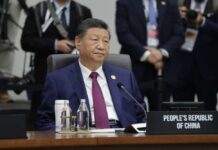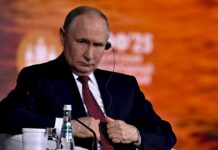

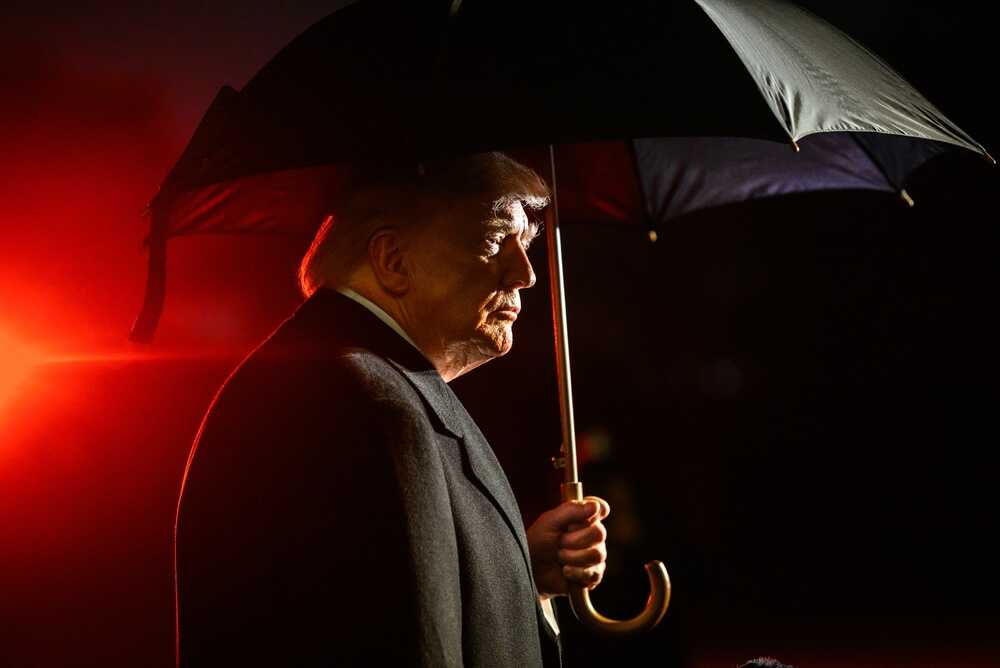
Two long July 4 calls show President Trump pushing for a real Ukraine peace while global elites and war profiteers quietly hope the killing never stops.
Story Snapshot
- Trump held separate, extended calls with Putin and Zelenskyy focused on ending the Ukraine war.
- Both leaders signaled a desire for peace and agreed to keep talking around the NATO summit.
- Trump says an agreement to end the conflict is “close,” with his team authorized to work both capitals.
- Defense industry, EU loans, and media framing all threaten to drag out the war despite new talks.
Trump’s July 4 Calls Put Ending the ‘Bloodbath’ Front and Center
On July 4, President Donald Trump spent nearly ninety minutes on the phone with Russian President Vladimir Putin, followed by a separate call with Ukrainian President Volodymyr Zelenskyy, with one clear goal: to stop what he has called a “bloodbath” in Ukraine. Russian aide Yury Ushakov said Trump “reaffirmed his readiness to facilitate the earliest possible cessation of hostilities,” and described the Trump‑Putin conversation as “businesslike and highly constructive.” Trump has posted that he believes an agreement to end the conflict is close and that both leaders told him they want peace, not endless war. For a president elected on promises to end foreign entanglements and focus on American strength at home, these calls mark a major test of whether Washington can finally stop feeding a distant war that drains U.S. taxpayers and risks wider chaos.
Ukraine’s president echoed that tone. Volodymyr Zelenskyy called his Fourth of July conversation with Trump “a very good phone call” and said there is “a real prospect to put an end to this war,” with plans to continue talks at the upcoming NATO summit in Ankara. Zelenskyy’s office said their call lasted about an hour, while the Kremlin reports Trump and Putin spoke for roughly ninety minutes. According to Kremlin summaries, Trump told Putin that his authorized representatives would stay in contact with both Moscow and Kyiv to keep pushing for a deal. Trump has also publicly said that after such calls, Russian and Ukrainian teams would “immediately” begin negotiations toward a ceasefire and peace agreement, with the United States playing a support role rather than policing every move. For many conservative voters, this direct leader‑to‑leader diplomacy fits Trump’s style—cut through bureaucracy, get the main players talking, and aim to stop the killing sooner rather than later.
What We Know — and What Is Still Hidden — About the Peace Push
Even with these encouraging statements, key details remain locked away. Neither the White House nor the Kremlin has released a full transcript of the Trump‑Putin call, so outside observers cannot verify every word or promise made. Media and aides report Trump talked about millions of deaths and claimed 25,000 people were killed in a single month, numbers that independent monitors have not confirmed. Trump has also said “we had a lot to do with” prompting Zelenskyy‑Putin talks, but no public documents back that specific claim. There is not yet an official peace proposal from Trump’s envoys spelling out terms like ceasefire lines, election plans, or security guarantees. Without hard text—dates, clauses, and commitments—it is easier for hostile media and entrenched bureaucrats to dismiss this effort as vague or purely political, even as the battlefield fighting and daily casualties continue.
Mainstream outlets have already framed these calls as “controversial,” focusing more on what might go wrong than on the chance to end the war. Analysts note a pattern where U.S. mediation is quick to open talks but slow to demand firm results, and some argue past efforts leaned toward Russian preferences by floating ideas like Ukraine giving up parts of Donetsk province to secure a quick deal. Studies from foreign policy institutes say Ukraine’s confidence in U.S. mediation has dropped because it sees some proposals as biased and too transactional. Yet in this case, no Ukrainian, Russian, or NATO official has gone on record to deny that Trump offered to help find a solution or that both leaders expressed interest in peace. The counter‑argument is mostly skepticism, not specific evidence that the July 4 calls are fake or that Trump’s role is invented. That leaves a wide open lane for the administration to back its words with clear documents and timelines.
Money, Missiles, and Media: The Forces Working Against a Quick Peace
Behind the scenes, powerful interests have every reason to resist a fast ceasefire. Ukraine has taken on European Union loans to buy advanced systems like Patriot missiles, creating long‑term debt tied to continued high‑end military spending. Big American defense companies profit from constant arms shipments, and experts warn that defense lobbying can shape policy toward keeping weapons flowing rather than forcing both sides to the table. Institutional silence from NATO and the European Union on Trump’s July 4 mediation role suggests many in the global establishment would rather see the war grind on than admit that a deal‑making American president might actually end it. Social media activists point to algorithm bias and content flags that push pro‑Trump peace narratives down the feed while amplifying fear‑based headlines, giving ordinary citizens a warped picture of who is really pushing for de‑escalation.
1 killed in attack on #Crimea as #Putin and #Zelenskyy hold separate Trump calls #StandWithUkraine #StopRussia #WarCrimes #Ukraine #Sanctions #Kyiv #Crimea #Mariupol #MXPoli #INDPol #CAPol #CdnPoli #USPol #USPoli #UKPol #EUPol #EUPoli #AUPol #NZPol #JAPPol https://t.co/U5jruCyBLj
— Tammy Richard (@Tammy_Richard) July 5, 2026
For conservative Americans, the stakes reach far beyond Eastern Europe. Every month this war drags on, Washington sends billions abroad while families at home fight inflation, high energy costs, and a federal government that always seems to find money for foreign wars but not for securing the southern border or cutting wasteful programs. A drawn‑out conflict also keeps NATO and the European Union leaning on U.S. troops, U.S. weapons, and U.S. taxpayers instead of building their own defenses. Trump’s push to end the war fits basic constitutional and common‑sense priorities: defend America first, avoid open‑ended foreign wars, and stop sacrificing young lives on foreign soil for elite agendas. To make that vision real, his administration will need to turn these promising calls into concrete steps—transparent transcripts, written proposals, and clear red lines for both Moscow and Kyiv—while pushing past media spin and the war‑industry lobby that profits every day the shooting continues.
Sources:
cbsnews.com, apnews.com, euronews.com, ktvz.com, instagram.com, abcnews.com, facebook.com, brookings.edu, cfr.org, youtube.com, kissinger.sais.jhu.edu, prio.org