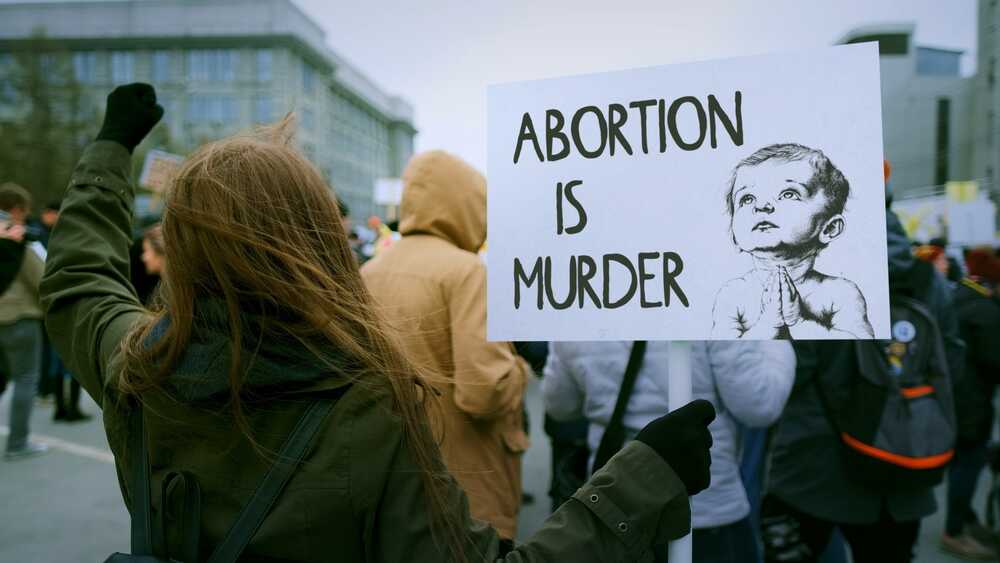
Pro-life leaders are warning that a Trump-led Justice Department is still shielding a Biden-era abortion-pill loophole that lets chemical abortions move through the mail—potentially overruling state laws without a vote.
Quick Take
- Seventy-eight pro-life organizations sent an April 13 letter urging acting Attorney General Todd Blanche to change DOJ’s legal strategy on mifepristone.
- The groups argue DOJ motions to pause or dismiss state lawsuits effectively defend Biden-era FDA moves that expanded telehealth and mail-order abortion pills.
- Republican state attorneys general say FDA policy and interstate shipping can undercut post-Dobbs state abortion limits and enforcement.
- FDA’s recent approval of a new generic mifepristone under the Trump administration intensified backlash from pro-life allies.
A base-level fight over whether federal agencies can neutralize state abortion laws
Acting U.S. Attorney General Todd Blanche is facing immediate pressure from a coalition of 78 pro-life groups that want the Department of Justice to stop defending Biden-era FDA rules governing mifepristone, commonly called the abortion pill. The coalition’s April 13 letter argues DOJ should no longer seek to delay or dismiss lawsuits brought by Republican state attorneys general challenging expanded distribution, including prescriptions issued online and pills shipped by mail.
The core dispute is less about a single medication than about who sets the rules after the fall of Roe: states through elected legislatures, or federal agencies through regulation and litigation tactics. Pro-life advocates say the federal government is using drug-policy authority to create practical nationwide access even where voters and lawmakers chose tighter limits. DOJ, by contrast, has continued to make legal arguments that effectively protect FDA policy while the underlying cases remain unresolved.
How mifepristone rules changed—and why mail delivery is the flashpoint
Mifepristone is used in first-trimester abortions and also in some miscarriage management, a dual-use reality that complicates policymaking and health-care messaging. Under the Biden administration, FDA policy evolved to loosen long-standing safeguards, including removing in-person dispensing requirements and enabling telehealth prescriptions paired with shipment through the mail. By 2023, the in-person requirement had been removed, opening the door to broader online prescribing and delivery across state lines.
That mail-order expansion is what many state officials and pro-life groups call a direct challenge to federalism. State attorneys general suing FDA contend that expanded access can sidestep state protections, including bans or tighter regulations enacted after the Supreme Court overturned Roe v. Wade. Pro-life advocates also argue that remote prescribing reduces opportunities to screen for coercion or complications. One account cited in coverage involved a Louisiana woman who said she was coerced into taking pills obtained online.
Why pro-life groups are targeting DOJ, not just FDA
Pro-life leaders are not only asking FDA to revisit policy; they are pressing DOJ to stop acting as FDA’s courtroom shield. The coalition letter contends that when DOJ asks courts to pause cases or dismiss them, the practical effect is to keep the liberalized framework in place—even under a Republican administration that campaigned on returning abortion policy to the states. Several signatories framed this as DOJ “siding” with the abortion industry by default, even if DOJ describes its position as procedural or jurisdictional.
The timing also reflects a leadership transition inside the administration. Reports indicate President Trump removed Attorney General Pam Bondi and elevated Deputy Attorney General Todd Blanche as acting attorney general shortly before the April 13 letter was sent. Pro-life groups appear to view Blanche as a decision point: either continue the prior posture or realign DOJ to support state plaintiffs.
FDA’s generic approval adds fuel to an already tense alliance
Adding to the frustration, FDA recently approved a new generic version of mifepristone during President Trump’s second term. To pro-life organizations, that approval signals continuity rather than rollback and raises questions about whether administrative momentum is overpowering electoral promises. Even among voters who accept post-Dobbs state-by-state policymaking, a key concern is that bureaucratic decisions can function like national policy without Congress, leaving citizens feeling locked out of decisions that shape community standards and public health.
What happens next: courts, standing fights, and the limits of “America First” governance
The immediate next step is procedural: DOJ can keep pursuing pauses and dismissals, or it can change course and allow state lawsuits to move forward on the merits. Those cases hinge on complex legal questions, including how far FDA authority extends, whether states have standing to sue, and whether federal drug regulation can effectively override state abortion restrictions. For conservatives who want limited government and clear lines of accountability, the dispute is a test of whether agencies and lawyers can keep making policy through process.
For liberals focused on access, the same mechanism—federal authority insulating a national standard—may look like stability against a patchwork of state rules. But the broader takeaway shared by many Americans is more cynical: high-stakes issues keep getting decided by institutions that feel distant from voters, whether that’s agencies, courts, or political appointees. Blanche’s decision will not settle abortion nationwide, but it will signal whether this administration is willing to let states fight it out, or whether Washington will keep the upper hand.
Sources:
Pro-life groups urge DOJ to stop opposing state abortion pill lawsuits
Pro-life groups urge DOJ to stop opposing state abortion pill lawsuits
todd blanche pressured undo abortion pill liberalization