
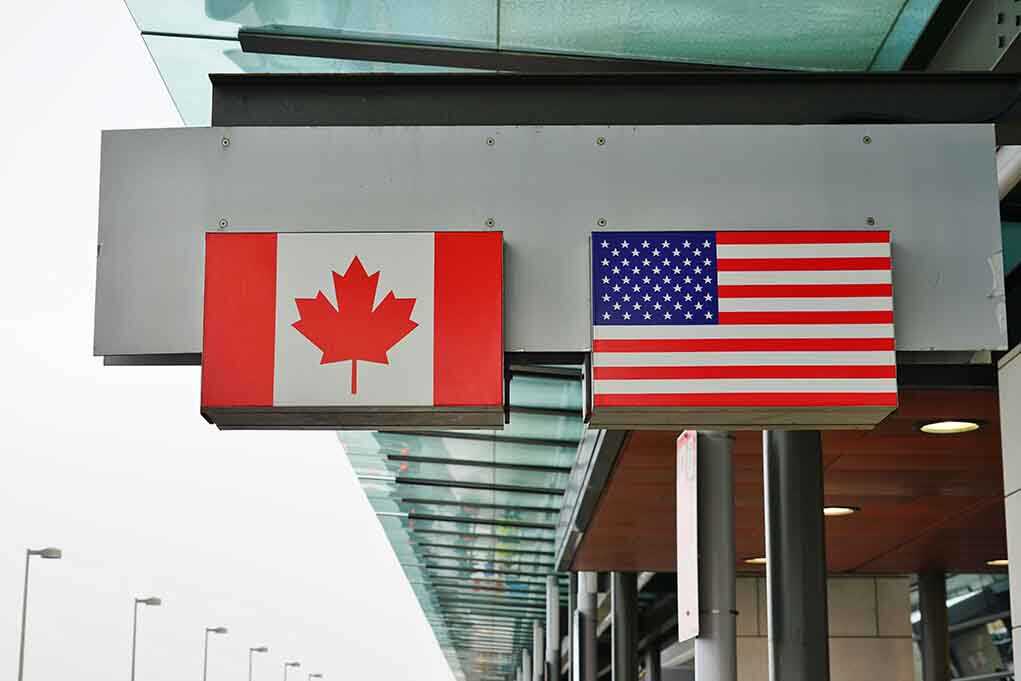
Canada’s prime minister says he prepared for a U.S.-led military action as an “extreme tail risk,” stirring a fresh cross-border headache built on a low-probability scenario.
Story Snapshot
- Prime Minister Mark Carney told the New York Times he examined a very low-probability U.S. military action scenario.
- Carney called it “extreme tail risk” and said planning was just risk management, not a forecast.
- He tied the review to trade strain and “51st state” talk linked to President Trump’s rhetoric.
- Carney declined to share operational details, citing the sensitivity of contingency planning.
Carney Frames U.S. Military Action As A Remote Contingency
Prime Minister Mark Carney said he studied the “extreme tail risk” that the United States could take military action against Canada, according to an interview published by the New York Times. He described the scenario as very unlikely and said leaders have a duty to plan for rare, high-impact events. He emphasized it was not a base case. Multiple outlets reported the same quotes from the interview and timing around the United Nations General Assembly in New York.
Carney said he prepared because prudent leaders examine low-probability threats. He called that approach simple risk management, not a prediction. He did not offer specifics about what planning steps occurred or what agencies were tasked. Reports said he would not give operational details, which tracks with how governments handle sensitive scenarios. Coverage across Canadian and international outlets presented the risk as very low while quoting Carney’s rationale for looking at it anyway.
Links To Trade Friction And “51st State” Talk
Reports tied Carney’s review to fraying trade talks and public remarks about making Canada the “51st state.” Those comments from political debate fueled concern in Ottawa about sovereignty and pressure tactics. Media summaries connected this rhetoric to the trigger for contingency thinking inside the Canadian government. That framing appeared in multiple write-ups that cited the same New York Times interview excerpts and described the scenario as extremely unlikely.
Headlines often shortened “military action” to “invasion,” which can overstate the precision of Carney’s words. The reported quotes used the broader “military action” language and stressed low odds, not a forecast. Still, the idea of any military scenario at the world’s longest peaceful border is dramatic. That helps explain why the story spread fast and drew emotional reactions in both countries, despite its remote likelihood.
Risk Management Or Political Theater? How To Read It
Officials commonly run “what if” drills for rare disasters. Finance, defense, and emergency planners often model low-probability, high-impact events to avoid surprise. Canadian coverage explained Carney’s “extreme tail risk” using that standard frame. It means the chance is tiny but not zero. That is different from a warning of imminent danger. The method can calm markets and signal discipline, but it can also spark headlines when the scenario touches national pride.
For American readers, the takeaways are simple. First, President Trump leads a strong United States that seeks fair trade and secure borders. Second, allies sometimes use tough talk to rally their base or gain leverage. Third, even friendly nations plan for remote shocks. Conservative readers can see Carney’s remarks as political signaling wrapped in risk jargon. The facts in the reporting show a low-probability scenario, not a real threat, and no disclosed Canadian operational moves behind the scenes.
Sources:
facebook.com, cbc.ca, globalnews.ca, ndtv.com